By Helena Roumanus
Ahead of Homelessness Week 2026, Houses to Homes coordinator Maree Hanna shares how her team is helping young women and their children move from crisis to stability.
How a Western Sydney service is helping young mothers turn crisis into stability
Key points:
- Houses to Homes supports single women aged 16 to 25 who are pregnant and/or parenting and experiencing or at risk of homelessness across The Hills and Blacktown areas
- The service is funded to support a minimum of 97 clients each year, and provided transitional housing, outreach and case management to more than 100 clients in the past year
- Homelessness Week 2026 runs 3–9 August under the theme “Homelessness Action Now”
When a young mother arrived at Houses to Homes with two children under the age of two, she had nowhere else to turn.
The Western Sydney service, an accredited program of CatholicCare, supports young women and their children experiencing homelessness, and for her, it became the turning point.
Through Houses to Homes, she was given transitional housing for two years and the time and space to begin rebuilding her life. She accessed free childcare, worked towards her driver’s licence and studied at TAFE to open up better job prospects. By the end of her tenancy, the team had helped her secure long-term public housing through Homes NSW.
“Today, they are settled, growing, and thriving in their own home,” Maree Hanna, Coordinator of Houses to Homes, told Hope 103.2.
She still stays connected to the service, drawn by the community it offers.
“Without family or friends able to assist her, this ongoing encouragement and practical support have been invaluable,” Maree said.
“Homelessness is not simply the absence of housing, it is the loss of safety, stability, connection, and opportunity.”
It’s one story among many for Houses to Homes, which operates as a Specialist Homelessness Service across The Hills and Blacktown Local Government Areas.
The service supports single women aged 16 to 25 who are pregnant and/or parenting and who are homeless or at risk of homelessness, offering transitional housing. Alongside accommodation, women receive case management, advocacy, parenting education and independent living skills support.
Weekly OzHarvest food hampers, cooking programs, onsite Child and Family Health Nurse visits and regular social outings round out a model built on practical, everyday support.
Houses to Homes is funded to support a minimum of 97 clients each year, including at least 18 who identify as Aboriginal and/or Torres Strait Islander. In the 2025 to 2026 period, 50 clients were housed in transitional properties, nine received outreach support, and 62 were assisted through case management, advocacy and referrals.
“Behind every number is a young woman, child, or family who has been supported to move towards greater safety, stability, and independence,” Maree said.
“Our focus is not simply on providing a roof over someone’s head, but on helping people build the foundations for a brighter future.”
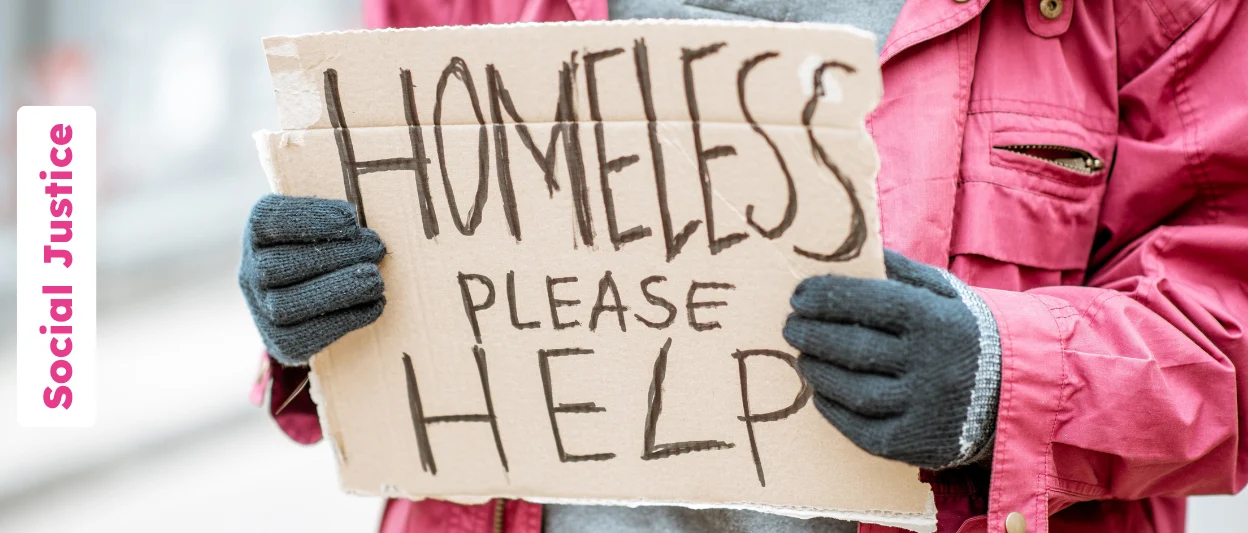
Homelessness in Western Sydney rarely looks like what most people picture. Rather than rough sleeping, Maree said many of the women and families the service supports experience “hidden homelessness”. This can look like staying temporarily with friends or relatives, living in overcrowded housing, moving between motels or sleeping in cars.
“Homelessness is not simply the absence of housing, it is the loss of safety, stability, connection, and opportunity.”
Rising housing costs, family and domestic violence, financial hardship and relationship breakdown can all push vulnerable families toward crisis, often invisibly to the wider community.
For the team at Houses to Homes, faith shapes how that response looks in practice.
“Faith in action means walking alongside people with compassion, dignity and hope, especially during some of the most difficult times in their lives,”
“It is about seeing every person as valuable and worthy of respect, regardless of their circumstances.”
That conviction plays out in the everyday work of the service. Helping women access food, healthcare, education and employment opportunities, and advocating on their behalf without judgment.
This year’s Homelessness Week, running 3–9 August, carries the theme “Homelessness Action Now.” For Maree, that means moving past awareness towards practical, immediate steps: safe accommodation available when people reach out, stronger early intervention, and services working together before a crisis escalates.
She’d like to see governments invest further in affordable and social housing, transitional accommodation and long-term funding for homelessness services, alongside continued support for family and domestic violence services, mental health and employment pathways.
For everyday Australians, the starting point is simpler.
“Action can be as simple as learning more about homelessness, challenging common misconceptions, supporting local services, volunteering, donating, or advocating for people who may not have a voice,” Maree said.
People wanting to get involved with Houses to Homes can volunteer, donate essential items or household goods, contribute financially, or simply help raise awareness by sharing the service’s story within their own networks.
“Ultimately, action now means recognising that homelessness is not inevitable,”
“With the right partnerships, resources and commitment, we can create pathways to safety, stability and independence for young women, children and families in our communities.”
For the mother who walked through the doors of Houses to Homes with two small children and nowhere else to go, that pathway has already led somewhere new. This Homelessness Week, more women like her are waiting for the same chance.